
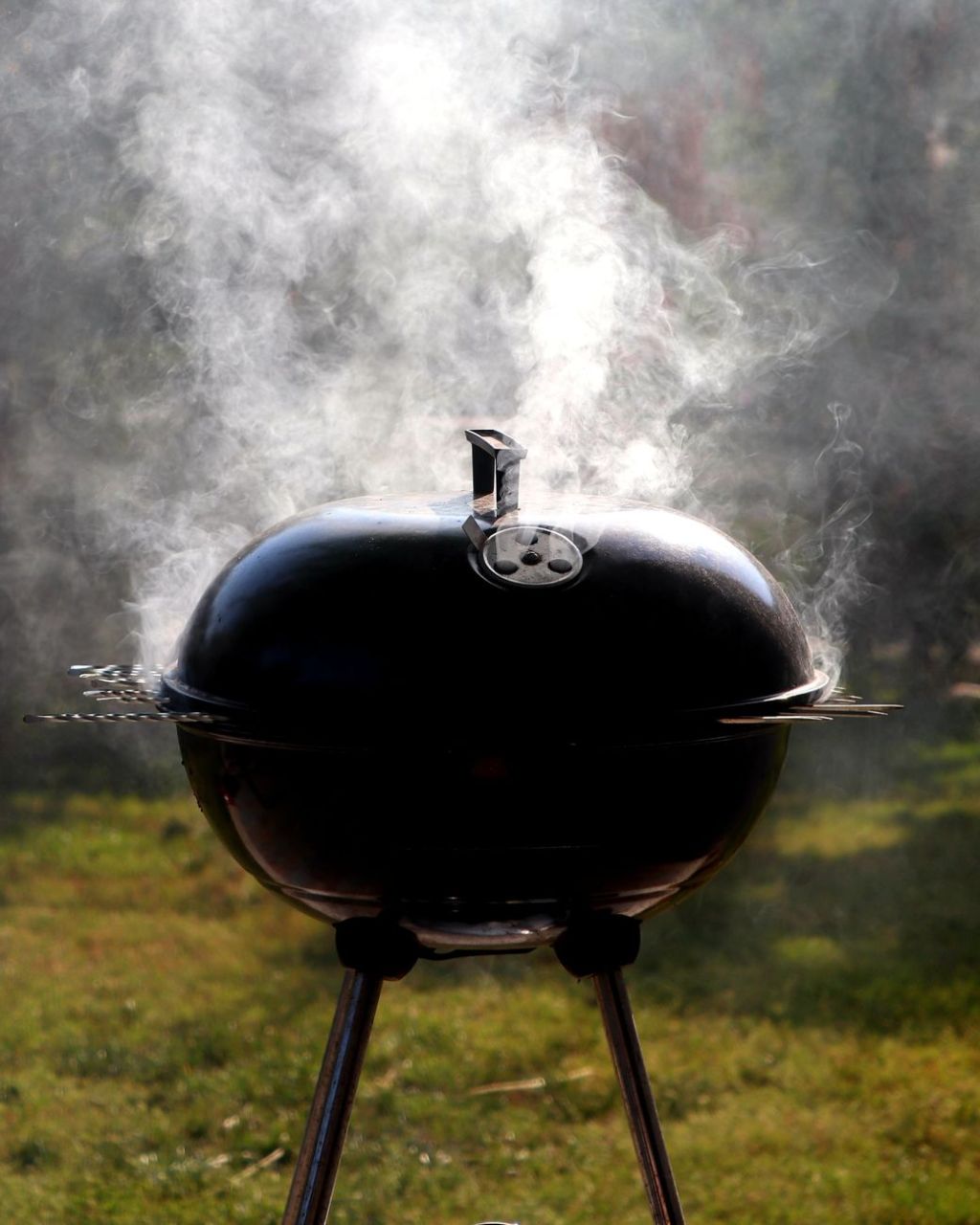
I’ve been thinking about barbecue.
Admittedly, this isn’t exactly unusual for me.
Living in Missouri and having competed in a couple of BBQ competitions, I’m probably not entering this discussion completely unbiased. I’ve also spent some time on the other side of the table judging barbecue, which has given me a different perspective on what makes good BBQ.
Then again, I’ve eaten enough barbecue to know that being completely unbiased about BBQ may be overrated.
Ask someone from Kansas City, Texas, Memphis, or the Carolinas who has the best barbecue and you’ll probably get four different answers.
And all four will be absolutely certain the other three don’t know what they’re talking about.
So instead of starting another regional BBQ war, I’ve been thinking about a slightly different question:
Is there really one “best” style of barbecue, or are different regions simply better at different things?
Texas: Let the Beef Do the Talking
Texas barbecue has a pretty simple argument.
Brisket.
Good Texas brisket doesn’t need much help. Salt, pepper, smoke, time, and somebody who knows what they’re doing can turn a tough piece of beef into something pretty incredible.
Texas barbecue tends to let the meat and smoke take center stage rather than covering everything in sauce.
I’ll give Texas this one: when it comes to brisket, they’re awfully hard to argue with.
Of course, Texans will probably tell you there’s nothing to argue about in the first place.
Memphis: Ribs Without Hiding Behind the Sauce
Then there’s Memphis.
Memphis is known for pork, particularly ribs, and its dry-rub tradition makes an interesting point about good barbecue: sauce doesn’t have to be the star.
A properly seasoned and smoked rack of ribs can stand on its own.
As someone who has cooked ribs in competition, I appreciate that.
But competition ribs taught me something else too.
Competition barbecue and backyard barbecue aren’t necessarily the same animal.
In competition, you’re trying to make a judge remember one or two bites. That often means bigger flavors, more seasoning, more sweetness, more richness, and enough butter involved in the process to make a cardiologist nervous.
It can taste fantastic.
But what makes an incredible competition bite isn’t necessarily what I’d want to sit down and eat half a rack of.
The Carolinas: Pork and an Argument Over Sauce
Then we get to the Carolinas, where barbecue means pork and apparently agreeing on a sauce was simply asking too much.
Depending on where you are, you’ll encounter vinegar and pepper sauces, tomato added to the mix, or the mustard-based sauces most associated with South Carolina.
I’m a fan of the vinegar-forward approach with pulled pork. The acidity cuts through the richness of the meat rather than burying it.
And whole-hog barbecue is one of America’s oldest barbecue traditions.
So the Carolinas absolutely deserve a seat at the table.
Just don’t ask everyone at that table which Carolina sauce is correct unless you’ve cleared your afternoon.
And Then There’s Kansas City
Now we’re getting closer to home.
Kansas City barbecue is almost the opposite of picking a specialty.
We’ll smoke pretty much anything.
Beef? Absolutely.
Pork? Of course.
Chicken? Yep.
Ribs? Definitely.
Sausage? Throw it on there.
And then there are burnt ends, one of the greatest examples in culinary history of taking what was once considered the less desirable part of a brisket and turning it into something people will stand in line and pay extra for.
Kansas City sauce generally runs thicker and sweeter than many other regional styles, with tomato and molasses or brown-sugar flavors playing a bigger role.
And yes, we like sauce.
We’re not ashamed of it.
But good Kansas City barbecue shouldn’t need sauce to rescue it. The meat still needs to be properly seasoned and smoked. The sauce should complement what’s already there.
At least that’s how I look at it.
Competing and Judging Changed How I Cook
I’ve competed in a couple of BBQ competitions, and I’ve also had the opportunity to judge barbecue. Both experiences have made me a better backyard cook.
When you’re cooking at home, you’re trying to make food people want to sit down and eat.
When you’re competing, you’re cooking for judges who may only take a bite or two before moving on to the next entry.
Those are two very different objectives.
Suddenly you’re thinking about tenderness within a very narrow window, exactly how the meat looks in the box, whether every piece is uniform, and how much flavor you can pack into that first bite.
You also learn that there’s a surprising amount of butter involved in something that’s supposedly cooked with smoke.
I don’t remember the pioneers mentioning that part.
Judging taught me something different.
When you sit down and taste several entries side by side, you begin noticing things you might otherwise overlook. Too much smoke. Not enough seasoning. Too sweet. Too salty. Meat that’s technically tender but has gone a little too far.
And then every once in a while you take a bite where everything just works.
Between competing and judging, I think I’ve become a much better backyard griller and smoker.
Not because I’m trying to serve competition BBQ at home. Sometimes it’s just the opposite.
I’ve taken techniques from competition cooking, things I’ve learned while judging, and ideas from different regional styles and figured out what works for me when I’m cooking for family and friends.
I’m still experimenting. I’m still learning.
And I’m still occasionally going to cook something that doesn’t turn out quite the way I pictured it.
That’s why pizza places deliver.
For me, becoming a better backyard cook wasn’t about discovering one “correct” way to barbecue. It was about understanding why different methods work, then deciding which pieces I want to use.
Sometimes simple still wins.
Good meat. Good seasoning. Clean smoke. The right temperature. Enough time.
And preferably somebody else washing everything afterward.
So Who Wins?
If we’re judging individual categories, I think different regions have legitimate claims.
Brisket? Texas is awfully hard to beat.
Whole hog or pulled pork? The Carolinas certainly know what they’re doing.
Ribs? Memphis has a pretty convincing argument.
And Kansas City? We’ve got variety, great sauce, burnt ends, and a BBQ tradition that’s pretty hard to argue with.
But if you told me I could only choose one regional style of barbecue for the rest of my life, I’d probably disappoint some of my Kansas City neighbors.
I don’t think I could pick one.
Even living in the Kansas City area, I enjoy the different styles for different reasons. Give me a great Texas brisket, Memphis-style ribs, Carolina pulled pork, or a plate of Kansas City burnt ends and I’m probably going to be pretty happy.
One of the things I enjoy about cooking BBQ myself is borrowing from all of them.
There’s no rule saying I can’t take a technique from Texas, a flavor from the Carolinas, something I learned cooking competition ribs, and a little Kansas City influence and put them all on the same smoker.
Maybe the best style of BBQ is a little bit of all of them.
That’s probably barbecue heresy in at least four states.
I’m okay with that.
Maybe there isn’t a single “best” barbecue region. Maybe there’s just really good barbecue and really bad barbecue, and I’ve unfortunately eaten enough of both to recognize the difference.
So now I’ll probably start a fight:
What’s your favorite regional style of barbecue, and what’s the one thing that region does better than everybody else?
Keep it friendly.
We’re talking barbecue, not politics.
Although I’m not entirely convinced barbecue is less controversial.


Leave a comment