Renewable Energy: Are We There Yet?
I’ve been thinking about renewable energy.
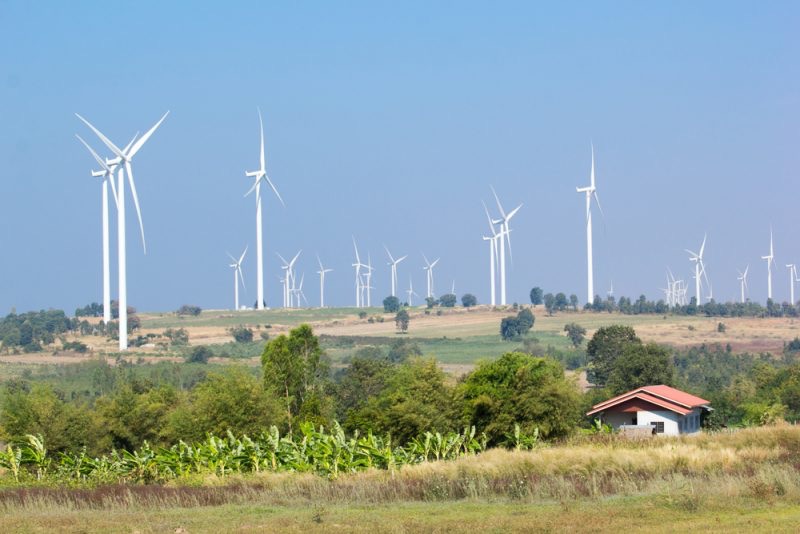
Recently, while driving north on I-35 through Iowa on my way to Minnesota, I found myself looking at all the wind turbines scattered across the countryside.
Some were spinning away, apparently earning their keep. Others weren’t moving at all.
Naturally, that got me wondering.
How much electricity are these things actually producing? How efficient are they? What happens when the wind isn’t blowing? And perhaps the question that always seems to come up eventually, are we getting our money’s worth?
Now, I’m certainly not opposed to renewable energy. In fact, I think finding cleaner, more sustainable ways to produce electricity makes a lot of sense.
But I also believe there’s a difference between having a good idea and figuring out how to make it work reliably, affordably, and on a large scale.
And somewhere along I-35, surrounded by wind turbines and driving my diesel pickup, I realized there might be a little irony in my situation.
Apparently, I’m conducting my own renewable energy research while burning diesel fuel at 70 miles an hour.
Nobody said curiosity had to be carbon-neutral.
Iowa Is Producing a Lot More Wind Power Than I Realized
When I started looking into the numbers, I was surprised.
According to published electricity generation figures, wind produced approximately 63% of Iowa’s electricity in 2024.
That’s not a small experiment. That’s a substantial part of the state’s electricity production.
In 2025, wind still accounted for approximately 58.5% of Iowa’s electricity generation.
And that distinction matters. We’re talking about electricity generated in Iowa, not all the energy used for transportation, heating, farming, and industry.
Iowa also generates electricity from coal, natural gas, solar, and other sources. Some of its electricity is sent to other states through the regional power grid.
So those wind turbines aren’t just decorative additions to the cornfields.
They’re doing some serious work.
Which brings me back to the ones that weren’t turning.
Why Aren’t All Those Turbines Spinning?
My first thought was pretty simple.
If the wind is blowing, shouldn’t they all be turning?
Apparently, it’s a little more complicated than that.
Wind turbines need wind speeds within a certain operating range. Too little wind and they don’t generate electricity. Too much wind and they may shut down to prevent damage.
They also stop for maintenance and mechanical problems.
But here’s something I hadn’t considered.
Sometimes wind turbines are intentionally stopped because the electrical grid can’t accommodate all the electricity they could produce at that moment, or because transmission lines can’t carry it where it’s needed.
That’s called curtailment.
In other words, the turbine might be perfectly capable of producing electricity, but the system can’t necessarily use it.
That’s an interesting problem to have.
We build machines to generate electricity from the wind, and sometimes we have to tell them to stop because we can’t use what they’re producing.
It reminds me a little of government budgeting. Having the resources and being able to use them effectively aren’t always the same thing.
Of course, I couldn’t tell from the highway why any particular turbine was stopped.
But it gave me another question to investigate.
What Happens When the Wind Doesn’t Blow?
Here’s where renewable energy gets interesting.
Wind and solar have a significant advantage. They generate electricity without burning fuel during operation.
But they also have a limitation.
We can’t schedule the wind.
And despite our best efforts, the sun still insists on setting every evening.
Electricity demand, on the other hand, doesn’t conveniently disappear when the weather changes.
Hospitals, factories, homes, businesses, and everything else connected to the electrical grid still need power.
That means the grid needs other ways to keep electricity flowing when renewable generation drops.
Those can include natural gas, coal, nuclear power, hydroelectric power, stored energy, and electricity brought in from other areas.
Batteries can help by storing electricity for later use, but storage has limits, and longer periods of low wind or sunlight can be more difficult to manage.
The challenge isn’t simply producing renewable electricity.
It’s producing and delivering enough electricity whenever people need it.
And that requires planning, infrastructure, and a combination of resources.
Are We Getting Our Money’s Worth?
This is where I think the conversation needs to go beyond whether someone supports or opposes renewable energy.
What does it actually cost?
Wind turbines require substantial investment to manufacture, transport, install, connect to the grid, and maintain.
Transmission lines can be expensive, and building them can take years.
On the other hand, once a turbine is operating, the wind itself doesn’t come with a monthly fuel bill.
And producing electricity without burning fossil fuels reduces certain types of air pollution and greenhouse gas emissions.
Those are real benefits.
But determining whether a particular wind project is a good investment means looking at the whole picture.
How much electricity will it produce over its lifetime? What will maintenance cost? Will new transmission lines be needed? What other generation or storage will the system require to maintain reliability?
And how do those costs compare with the alternatives?
I don’t think those are unreasonable questions.
In fact, I think they’re exactly the questions we should be asking before spending billions of dollars on any major energy project.
Renewable or otherwise.
Government Policy Versus Practical Reality
This is probably where the political debate gets started.
Some believe government incentives and renewable energy targets are necessary to encourage investment, reduce pollution, and speed up the transition to cleaner energy.
Others worry about government subsidies, mandates, costs to consumers, and whether the electrical grid can keep up with the pace of change.
I think both sides raise questions worth considering.
Government incentives have helped encourage energy development, including renewable energy. But government support isn’t unique to wind and solar. Other energy industries have also benefited from various forms of public assistance and favorable policies.
The important question, to me, is whether we’re getting lasting value for the money.
And when policymakers establish goals for changing how we generate electricity, I think those goals should be supported by realistic plans.
It’s one thing to announce where we want to be in ten or twenty years.
It’s another thing to build the infrastructure, develop the technology, find the workers, secure the materials, and pay for everything necessary to get there.
Having spent years working with government budgets, I learned that announcing a goal is usually the easy part.
Figuring out how to fund it and actually accomplish it?
That’s where things get entertaining.
And sometimes expensive.
Maybe the Answer Isn’t One or the Other
The more I read, the less convinced I am that our energy future should be treated as a contest between renewable energy and traditional energy.
Wind and solar can contribute substantial amounts of electricity.
Natural gas, nuclear power, hydroelectric facilities, and other resources can contribute different capabilities, including dependable or flexible generation.
Each has advantages, costs, limitations, and environmental consequences.
And the right combination may vary depending on geography, available resources, infrastructure, and electricity demand.
What works well in Iowa may not be the best solution everywhere.
Iowa has an abundance of wind.
Other states have stronger solar resources, hydroelectric opportunities, or different existing energy infrastructure.
That seems like a pretty good argument for evaluating energy options based on what actually works rather than assuming one solution fits the entire country.
I’m not convinced we need to choose between supporting renewable energy and expecting a reliable electrical grid.
We should be able to do both.
I’ve Been Thinking…
What started as a few observations along I-35 turned into a much bigger question than I expected.
Iowa’s wind turbines are producing a remarkable amount of electricity.
But seeing how much electricity they generate is only part of understanding the energy system.
We also have to consider what happens when they aren’t generating, how electricity gets where it’s needed, what the infrastructure costs, and how we maintain reliability as our energy needs change.
I’m encouraged by the progress renewable energy has made.
But I also think we need to be realistic about the challenges.
And maybe that’s where the discussion ought to begin.
Not with whether someone is for or against renewable energy.
But with how we develop an energy system that’s affordable, reliable, and environmentally responsible.
After all, the goal shouldn’t simply be to produce more renewable electricity.
It should be to build a better energy system.
And as I continued driving north through Iowa, passing one wind farm after another, I couldn’t help thinking about how much technology has changed.
We have machines standing hundreds of feet tall, turning an invisible natural resource into electricity that helps power our homes and businesses.
That’s pretty impressive.
Of course, I was still sitting in my diesel pickup, wondering how much longer it would be before I needed another fuel stop.
Apparently, the energy transition and I are both still works in progress.
So here’s what I’m wondering: How do we decide when the benefits of moving toward renewable energy outweigh the costs and challenges, and who should get to make that decision?
Coming in Part Two: The environmental costs of building and retiring renewable energy equipment, battery storage, nuclear power, and the growing electricity demands of technology and data centers.


Leave a Reply